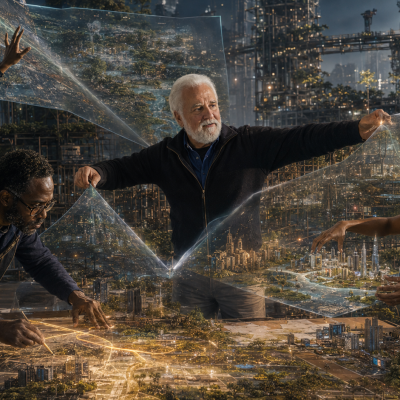
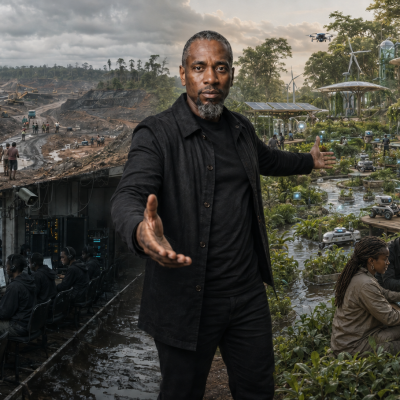
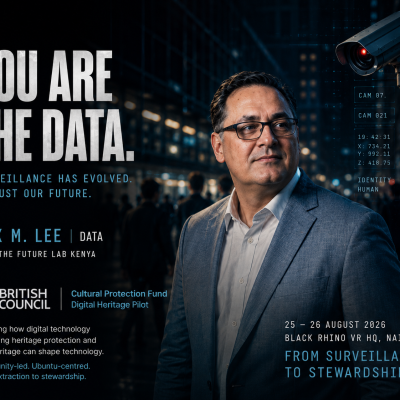
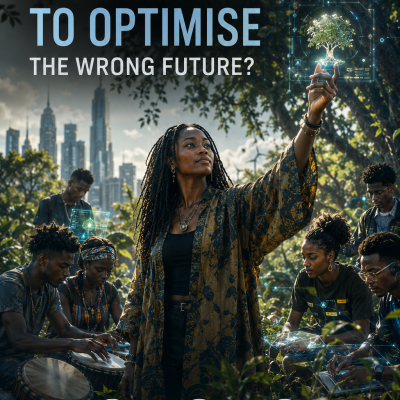
Hack the Future Lab Kenya is a two-day immersive Think
and Action Tank taking place in Nairobi on 25 and 26August 2026. It forms part of Future Chronicles:Remembering Futures, supported by the British CouncilCultural Protection Fund through the programmeScanning, Mapping and Imagining the Future of DigitalCultural Heritage.



The Lab explores how Kenya can move from being treated as a site of extraction within the global AI economy towards becoming a model of stewardship, sovereignty and collective authorship.

The project brings together three connected forms of digital cultural heritage: Ubuntu and Indigenous knowledge systems; the lived experiences of Kenyan AI, data and platform workers; and emerging African approaches to AI governance, labour rights, digital sovereignty and collective intelligence. The central question is not simply what is wrong with the technological future being built around us, but what we would build instead.